{{ $t("productdetail.video.button") }}
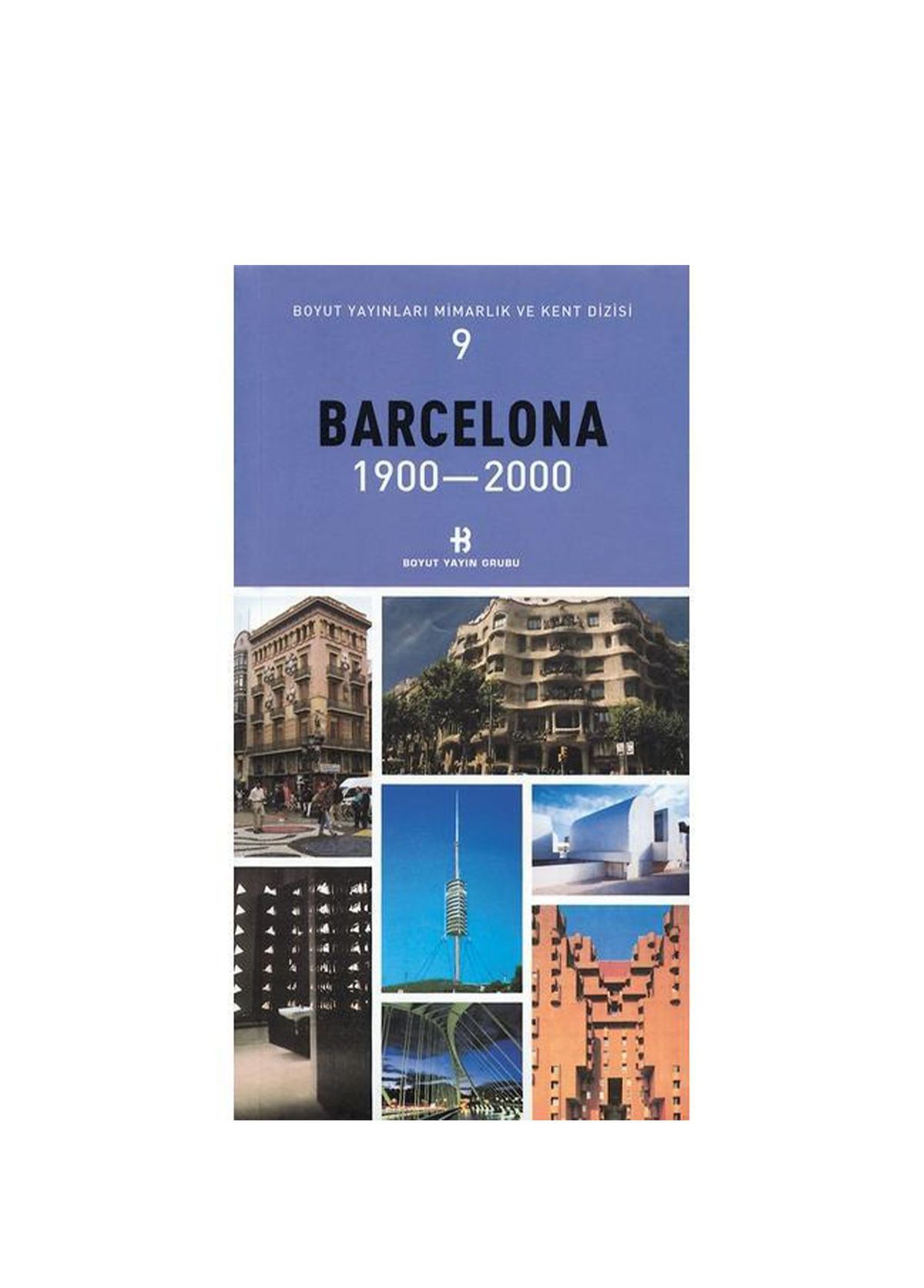
Boyut Yayinlari Barcelona 1900-2000 Architecture and City Series - 1

Boyut Yayinlari Barcelona 1900-2000 Architecture and City Series

432 TL
{{ personalCampaigns[0].campaignDescription }}
{{ personalCampaigns.length }} Campaign Details
{{ $t("productdetail.video.button") }}

Win with The One Card Detailed Information

Product Details Show More

    Barcelona is one of the two most advanced regions in Spain The other region is located in the north, on the Atlantic coast, and is the Basque Country Barcelona is on the Mediterranean coast and borders with France This location explains many components of Barcelona's cultural-historical-architectural structure The first component relates to the region's Catalan identity This means a language that is, first and foremost, close kin to Spanish but as distant from French as it is related to the other These same connections create the city that is the quickest to learn about events in more northern European countries and, thus, the first to benefit from modernization This is an area that industrialized and capitalized before any other part of Spain Because of this, the greatest artistic contributions Spain has made to world culture in the 20th century were created by the region's celebrities Dalí, Miró, Picasso, and the most famous Spanish architect, Gaudí, are also Catalans The late 19th century marks a turning point in the architectural fate of Barcelona The first part of this transformation is characterized by the introduction of what is now called industrial architecture, a style of iron and glass architecture, into the country The second part begins with the experimentation of a local style called Catalan 'Modernismo' Modernismo is a unique blend loaded with plural historical references, ranging from Andalusian-Islamic architecture to Gothic It also suggests a Catalan version of Art Nouveau in places An individual interpretation of Modernismo will be presented by Gaudí, which cannot be labeled with any movement name Gaudí is almost the first Spanish architect who truly managed to achieve an international identity for the city He will produce works starting with biomorphic forms with a tremendous imagination, sometimes pushing the boundaries of the fantastical as far as possible Today, it can even be said that Barcelona has created a cult centered around this most famous architect son His works are the most recognized tourist structures of the city They are introduced with numerous popular books, visited, photographed endlessly, and the construction of the Sagrada Familia Church, which has not been completed for a century, still continues Product Code: 65473125128435265140313131255_250

Product Status More Information

  • {{item.valueText}}

Size Chart

Installment Options

Find in Store

{{ $t("productdetail.video.modal.title") }}

PRODUCT DETAILS
Product Details
Barcelona is one of the two most advanced regions in Spain
The other region is located in the north, on the Atlantic coast, and is the Basque Country
Barcelona is on the Mediterranean coast and borders with France
This location explains many components of Barcelona's cultural-historical-architectural structure
The first component relates to the region's Catalan identity
This means a language that is, first and foremost, close kin to Spanish but as distant from French as it is related to the other
These same connections create the city that is the quickest to learn about events in more northern European countries and, thus, the first to benefit from modernization
This is an area that industrialized and capitalized before any other part of Spain
Because of this, the greatest artistic contributions Spain has made to world culture in the 20th century were created by the region's celebrities
Dalí, Miró, Picasso, and the most famous Spanish architect, Gaudí, are also Catalans
The late 19th century marks a turning point in the architectural fate of Barcelona
The first part of this transformation is characterized by the introduction of what is now called industrial architecture, a style of iron and glass architecture, into the country
The second part begins with the experimentation of a local style called Catalan 'Modernismo
' Modernismo is a unique blend loaded with plural historical references, ranging from Andalusian-Islamic architecture to Gothic
It also suggests a Catalan version of Art Nouveau in places
An individual interpretation of Modernismo will be presented by Gaudí, which cannot be labeled with any movement name
Gaudí is almost the first Spanish architect who truly managed to achieve an international identity for the city
He will produce works starting with biomorphic forms with a tremendous imagination, sometimes pushing the boundaries of the fantastical as far as possible
Today, it can even be said that Barcelona has created a cult centered around this most famous architect son
His works are the most recognized tourist structures of the city
They are introduced with numerous popular books, visited, photographed endlessly, and the construction of the Sagrada Familia Church, which has not been completed for a century, still continues
Product Code
65473125128435265140313131255_250

{{ $t('stocknotify.header.title') }}